Guide to Car Terminology: Know Your Vehicle
Guide to Car Terminology: Know Your Vehicle
Whether you're a first-time buyer or a car enthusiast, knowing the ins and outs of car terminology can help you make informed decisions and ensure you get the right vehicle for your needs. This guide will introduce you to some of the key terms to know that will help you while buying a car in Singapore.
Car Engine and Performance Terms
1. Horsepower
Horsepower, typically denoted as hp, indicates how fast a vehicle can accelerate and maintain speed. The higher the horsepower, the more power the engine can produce, resulting in faster acceleration and higher top speeds. Horsepower plays a significant role in a car's overall performance and is often used as a benchmark for comparing different models.
2. Torque
Torque refers to the rotational force generated by the engine, typically measured in Newton metres (Nm). It determines a vehicle's ability to overcome resistance and accelerate smoothly, especially at low speeds. Higher torque values result in better towing capabilities, quicker acceleration, and improved overall performance, particularly in situations requiring power, such as towing heavy loads.
3. Transmission Types
Transmission types dictate how power is transferred from the engine to the wheels, influencing a vehicle's driving dynamics and fuel efficiency.
- Manual Transmissions: Require the driver to shift gears manually using a clutch and gear stick, offering greater control and driver engagement.
- Automatic Transmissions: Shift gears automatically, providing convenience and ease of use, particularly beneficial in stop-and-go traffic.
- Continuously Variable Transmission (CVT): Adjusts gear ratios seamlessly for optimal performance and fuel efficiency, ensuring smooth acceleration and improved fuel economy.
4. Hybrid vs. Electric Engines
Hybrid engines combine traditional combustion engines with electric motors, offering improved fuel efficiency and reduced emissions. They utilise regenerative braking and electric power assistance to supplement engine power, lowering fuel consumption and emissions.
Contrastingly, electric engines rely solely on electricity for power, producing zero emissions and offering instant torque for responsive acceleration.
Safety Features
1. ABS (Anti-lock Braking System)
ABS, or Anti-lock Braking System, prevents wheels from locking up during emergency braking, enabling drivers to maintain steering control and avoid skidding. By pulsating the brakes rapidly, ABS enhances stopping power and reduces the risk of accidents, especially on slippery or uneven road surfaces.
2. Traction Control
Traction control helps prevent wheel spin and loss of traction by regulating engine power and applying brakes to individual wheels. This feature enhances stability and control, particularly in adverse weather conditions or during aggressive acceleration, reducing the likelihood of skidding or sliding off the road.
3. ESP (Electronic Stability Programme)
ESP, or Electronic Stability Programme, assists drivers in maintaining vehicle control during sudden manoeuvres or loss of traction. By selectively applying brakes and adjusting engine power, ESP helps prevent oversteer or understeer, correcting potential skids and improving overall stability and safety on the road.
4. Airbags
Airbags are cushions installed in a vehicle that inflate rapidly during collisions to reduce the risk of injury to occupants. They provide additional protection to passengers by absorbing the impact force and preventing contact with hard surfaces, such as the steering wheel or dashboard.
Fuel Efficiency and Emissions
1. Fuel Consumption
Fuel consumption, measured in litres per 100 kilometres, indicates how much fuel a vehicle consumes to cover a certain distance. Lower fuel consumption values translate to reduced fuel expenses and environmental footprint, making it an attractive feature for eco-conscious drivers, especially when considering the cost of buying a car in Singapore.
2. CO2 Emissions
CO2 emissions quantify the amount of carbon dioxide a vehicle produces per kilometre travelled, reflecting its environmental impact. When you buy a new car in Singapore, look for vehicles with lower CO2 emissions since they contribute less to air pollution and climate change.
Car Financing and Insurance Terms
1. Lease
Leasing involves renting a vehicle for a specified period, typically with lower monthly payments than purchasing. It offers flexibility and convenience for drivers who prefer to upgrade their cars regularly or avoid long-term commitments, beneficial for those navigating the financial aspects of buying a car in Singapore.
If you plan on leasing a car, do not hesitate to contact a trusted dealership like VINCAR. For more information, reach out to VINCAR via WhatsApp at +65 9225 1119.
2. Finance APR (Annual Percentage Rate)
Finance APR represents the annual cost of borrowing money for a car purchase, including interest and fees. It influences the total amount paid over the loan term and determines the affordability of monthly payments for buyers. A lower APR signifies lower overall borrowing costs, making it advantageous for buyers seeking competitive financing options.
3. Comprehensive Insurance
Comprehensive insurance covers various risks, including collisions, theft, and natural disasters. It offers peace of mind to drivers by protecting their vehicles and finances against unforeseen events, ensuring they can recover from losses and damages.
Car Maintenance Terms
1. Servicing
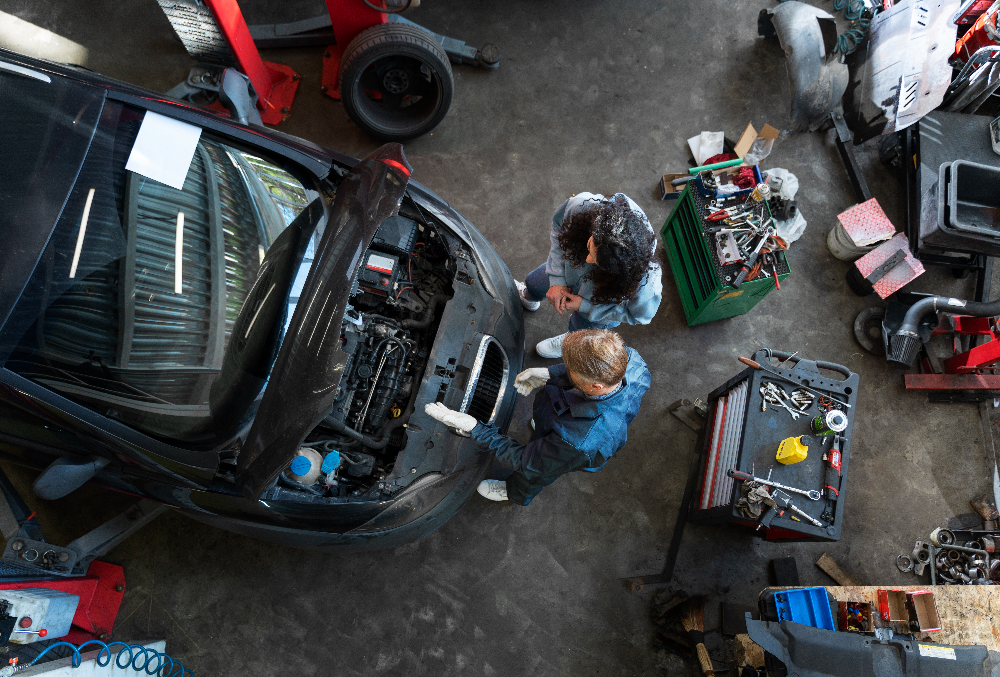
Servicing involves routine inspections and maintenance to keep your car running smoothly and prevent potential issues. Regular servicing helps identify and address wear and tear, ensuring peak performance and reliability. By adhering to manufacturer-recommended service intervals, car owners can prolong the lifespan of their vehicles and maintain their resale value.
2. Wear and Tear
Wear and tear refers to the gradual deterioration of car components and systems over time due to normal usage and exposure to environmental factors. Addressing wear and tear promptly through regular maintenance and repairs helps prolong the lifespan of your vehicle and maintain its resale value.
3. Aftermarket Parts
Aftermarket parts are components or accessories manufactured by third-party companies and installed on vehicles after purchase. They offer customisation options and performance enhancements beyond what OEM (Original Equipment Manufacturer) parts provide, allowing owners to personalise their cars according to their preferences and needs.
Advanced Technology and Features
1. Infotainment System
An infotainment system is a display on the dashboard in the middle of the car that provides drivers access to information such as navigation and entertainment while on the road. They offer touchscreen displays, voice commands, and smartphone integration for seamless connectivity and control.
2. Autonomous Driving Features
Autonomous driving features utilise sensors, cameras, and AI algorithms to assist drivers in controlling the vehicle and navigating traffic safely. They include adaptive cruise control, lane-keeping assistance, and automatic emergency braking, reducing driver fatigue and improving safety.
3. Keyless Entry
Keyless entry systems allow drivers to lock, unlock, and start vehicles without using traditional keys. Instead, they rely on proximity sensors and electronic fobs to authenticate the driver's presence and grant access.
Enhancing Car Knowledge with VINCAR

Having a comprehensive understanding of car jargon not only aids in navigating the complexities of the automotive world but also ensures informed decision-making when purchasing a used car in Singapore. By referring to this glossary, you can deepen your understanding of vehicle features and engage in more intelligent conversations about cars.
Purchasing, leasing, or maintaining a car? VINCAR is here to provide expert assistance and guidance every step of the way. Reach out to us today at +65 9225 1119 (New Car), +65 8699 1119 (Sell Your Car), +65 8813 1119 (Leasing).